
 English




 Women
Women
 Bottom Wear
 Western Wear
 Maternity Wear
 Women's Inners
 Men's
Men's
 Men Traditional Wear
 Men Western Wear
 Men Inners

Visual Balance
The Matching Trap: Why Perfectly Coordinated Outfits Often Backfire

Most people assume that matching every piece of a dress perfectly—colors, patterns, textures—automatically makes them look polished. It doesn’t. In fact, over-coordination often kills style, making both men’s and women’s outfits appear flat, predictable, or even cheap. Understanding why this happens can completely change how you build your wardrobe.
The first problem is visual monotony. When every element of a dress matches too closely, your outfit lacks contrast. A perfectly color-matched shirt, trousers, and shoes might feel “safe,” but it creates a single visual block. Your body’s natural shape, proportions, and lines disappear into uniformity. Women’s dresses with identical-colored accessories, or men’s co-ordinated blazer, shirt, and tie sets, can look stiff and uninspired, not intentional.
Second, over-coordination highlights flaws instead of concealing them. Matching pieces draw attention to every misalignment in fit or proportion. A slightly oversized dress paired with perfectly matched shoes and bag suddenly looks sloppy rather than relaxed. For men, a fitted blazer that’s too tight paired with matching trousers and shoes exaggerates any ill-fitting areas. Perfect color alignment won’t fix structural problems—it amplifies them.
Then there’s lack of personality. Style isn’t just about precision—it’s about contrast, nuance, and individuality. Mixing complementary colors, varying textures, or intentionally mismatching pieces introduces depth. For example, a woman pairing a structured black dress with a contrasting soft-toned jacket looks considered, dynamic, and modern. Men layering a textured sweater over a crisp shirt with slightly different tones creates interest. Overly coordinated outfits, by comparison, look like a uniform, not a personal style statement.
A subtle point is trend dependence. People often match dresses perfectly because of social media influence or trend images. But what looks polished on a curated feed rarely translates to real life. Perfectly color-coded outfits are common online, but in daily environments, they can feel forced, staged, or unnatural. Your wardrobe should survive outside of photos, not just algorithmic approval.
The solution isn’t chaos—it’s intentional contrast. Start by choosing one anchor color or piece and allow other elements to complement, not mimic. Mix neutral bases with subtle accents, layer textures, or vary tones within the same palette. For women, a neutral dress paired with bold shoes or a patterned scarf adds sophistication without overwhelming. For men, a classic shirt with trousers in a slightly different shade creates balance while maintaining cohesion.
Finally, understand that fit matters more than matching. A well-fitted dress with contrasting but harmonious pieces will always outperform a perfectly coordinated outfit that doesn’t sit properly. The human eye prioritizes shape, proportion, and movement over exact color alignment.
In short, obsessing over perfect matching often backfires. It flattens dimension, highlights flaws, and suppresses personality. True style comes from understanding proportion, fit, and subtle contrast. Stop matching everything. Start layering, mixing, and balancing. That’s how dresses stop being predictable and start looking purposeful.
Trending Now
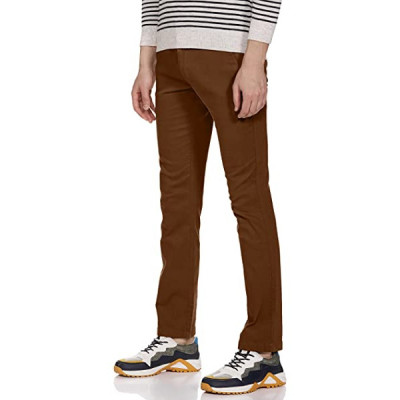
Men's Slim Casual Trouser
Rs.800.00
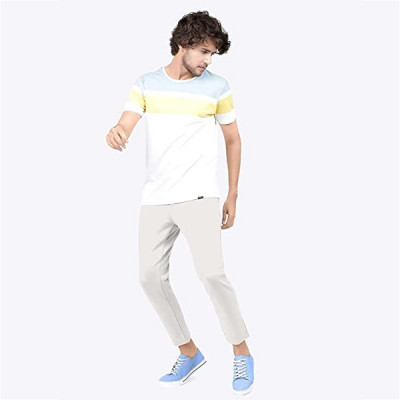
Men's Slim Fit Formal Trousers/Pant
Rs.543.00
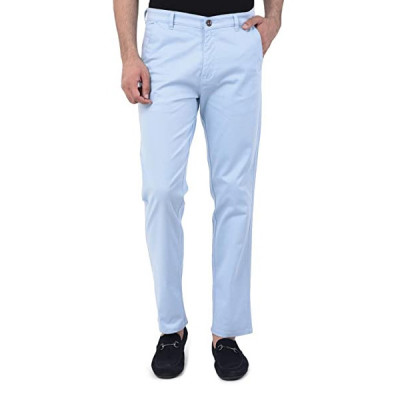
Men's Regular Fit Pants
Rs.544.00
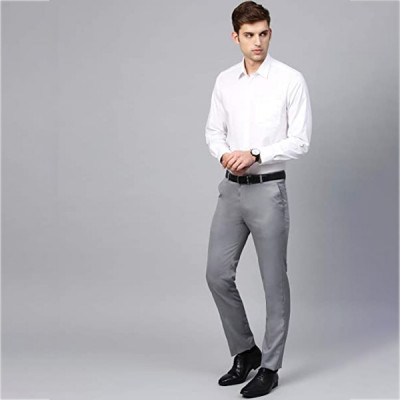
Men's Slim Fit Formal Trousers
Rs.707.00
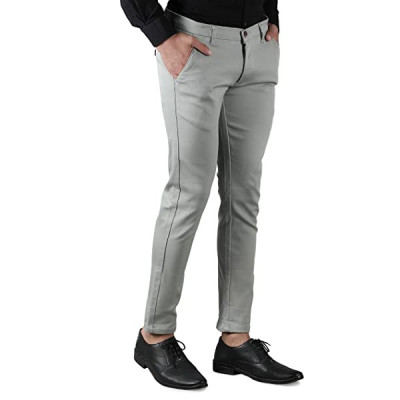
Textured Stretchable Trousers for Men
Rs.899.00
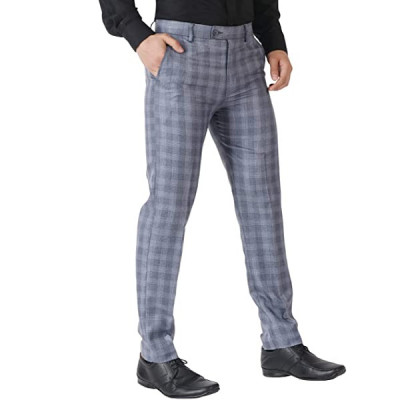
Men's Slim Fit Checkered Trouser
Rs.499.00
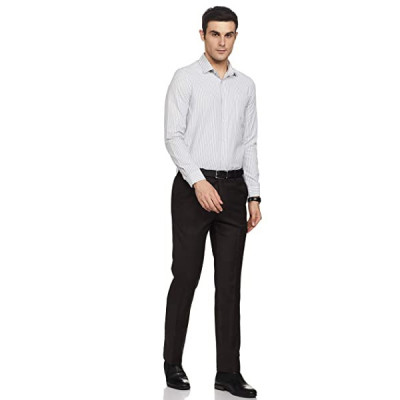
Men's Regular Pants
Rs.2,344.00