
 English




 Women
Women
 Bottom Wear
 Western Wear
 Maternity Wear
 Women's Inners
 Men's
Men's
 Men Traditional Wear
 Men Western Wear
 Men Inners

Style Flexibility
One Dress, Two Worlds: Master Casual and Formal with a Single Outfit
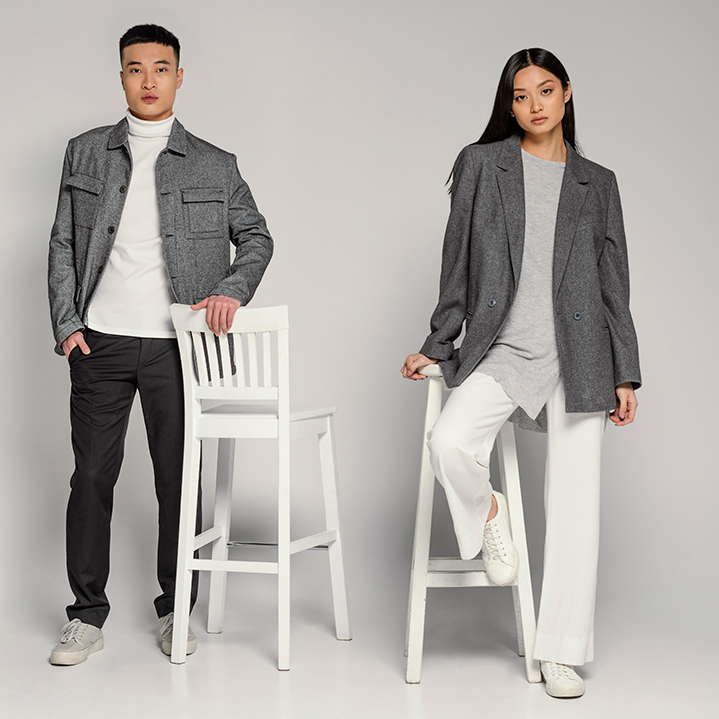
Most wardrobes are overcrowded because people assume one dress can only serve one purpose. A dress for work, a dress for dinners, a dress for parties—suddenly your closet is full, and nothing is coordinated. The truth is, with the right strategy, a single dress can seamlessly move between casual and formal settings, for both men and women.
Start with choosing the right base dress. Not every piece works in multiple contexts. For women, pick a neutral-toned dress with a clean cut—think a midi dress in black, navy, or beige. Avoid overly intricate patterns or extreme silhouettes. For men, a well-fitted button-down shirt with tailored trousers or a sleek blazer-trouser combo is ideal. The key is a dress that sits on the line between polished and relaxed. Structure matters, but it shouldn’t feel rigid.
Next, adjust accessories for context. This is the simplest and most effective trick. Women can swap flats for heels, add a statement necklace or earrings, or layer with a blazer for formal settings. Men can switch shoes—loafers for work, sneakers for casual—adjust belts, or add a tie for formal occasions. Accessories signal intent, transforming the same dress into a look that fits the environment.
Layering is another game-changer. For women, adding a structured jacket or cardigan can instantly elevate a casual dress to office-ready. A scarf, a casual denim jacket, or even a light shawl can bring it back to relaxed mode. For men, a blazer or sports jacket over a casual shirt works the same way. Roll sleeves or undo the top button for casual, button up and tuck in for formal. Layering doesn’t just modify style—it changes the dress’s perceived purpose.
Footwear matters more than most realize. A dress paired with sandals, sneakers, or loafers reads casual; switch to polished shoes or heels, and it immediately reads formal. The right footwear anchors the outfit and communicates setting without altering the base dress.
Don’t forget fit adjustments. Minor tweaks—rolling sleeves, tucking, or cinching with a belt—can refine proportions. Women can knot a dress’s hem or add a belt to create structure; men can adjust sleeve lengths or cuff the trousers. These small changes make the same dress versatile, without needing multiple pieces.
Finally, pay attention to grooming and presentation. Even the perfect base dress fails if hair, accessories, and layers contradict the intended style. For formal occasions, neat grooming and polished shoes enhance the transformation. For casual settings, relaxed hair and minimal jewelry keep it effortless.
The real insight is this: versatility isn’t about buying multiple dresses; it’s about strategic styling. One neutral, well-fitting dress becomes multiple outfits through layering, accessories, footwear, and subtle adjustments. Both men and women can achieve a flexible wardrobe that works in almost any setting.
Stop treating your closet like a catalog of single-use items. With intentional choices, your dresses can handle work, social outings, and events—without multiplying purchases unnecessarily. One dress, styled right, is enough.
Trending Now
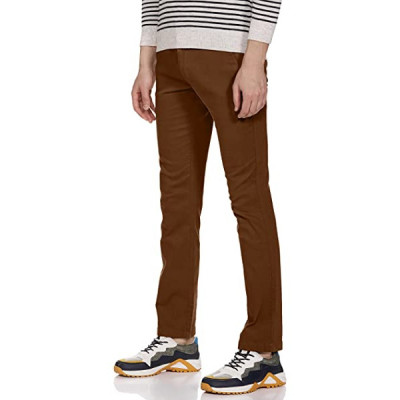
Men's Slim Casual Trouser
Rs.800.00
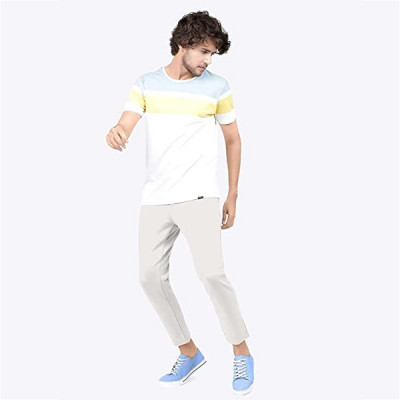
Men's Slim Fit Formal Trousers/Pant
Rs.543.00
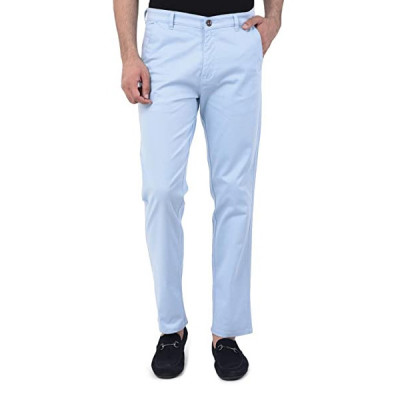
Men's Regular Fit Pants
Rs.544.00
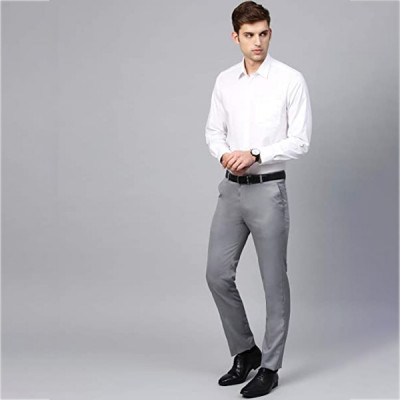
Men's Slim Fit Formal Trousers
Rs.707.00
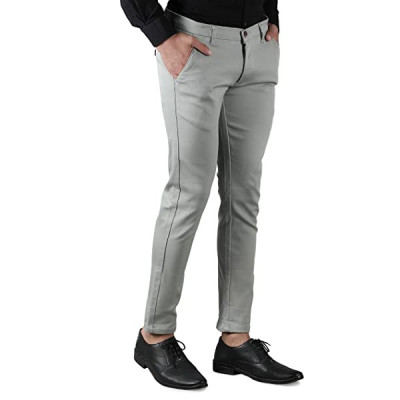
Textured Stretchable Trousers for Men
Rs.899.00
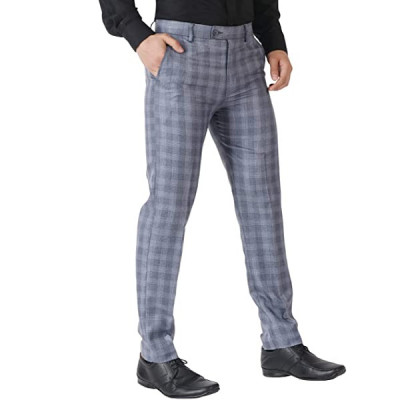
Men's Slim Fit Checkered Trouser
Rs.499.00
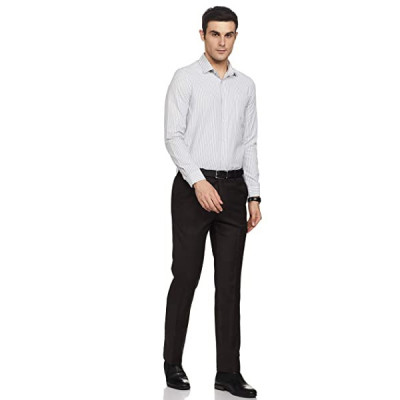
Men's Regular Pants
Rs.2,344.00