
 English




 Women
Women
 Bottom Wear
 Western Wear
 Maternity Wear
 Women's Inners
 Men's
Men's
 Men Traditional Wear
 Men Western Wear
 Men Inners

Daily Wear
Effortless Everyday: How to Choose Daily Wear Dresses That Balance Comfort and Style
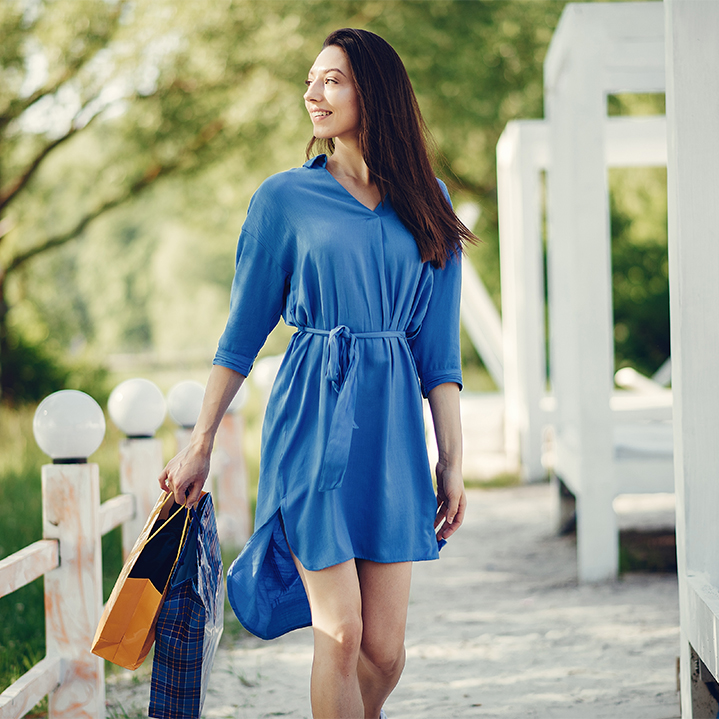
When it comes to daily wear, most men and women struggle between comfort and style. Too many dresses either feel restrictive or look sloppy. The truth is, you don’t have to compromise. With the right choices, daily wear dresses can be comfortable, practical, and stylish at the same time.
Start with fabric selection. Natural fabrics like cotton and linen are ideal for everyday wear because they breathe, move with your body, and feel soft against the skin. For women, cotton shirt dresses or linen midi dresses provide ease without sacrificing elegance. For men, breathable button-down shirts, casual chinos, or relaxed-fit co-ord sets ensure all-day comfort. Avoid stiff synthetics unless they have stretch or moisture-wicking properties, which are better suited for casual athleisure pieces.
Fit is critical. Comfort doesn’t mean baggy, and style doesn’t mean tight. Women’s dresses that gently skim the body, like A-line cuts or relaxed sheath styles, provide freedom of movement while maintaining shape. Men’s everyday shirts or casual trousers should fit the shoulders and waist properly, avoiding excess fabric that adds bulk. A well-fitted dress looks intentional without restricting daily activities.
Design and structure influence both aesthetics and wearability. Simple silhouettes work best for daily wear: button-front dresses, shirt dresses, straight-cut trousers, or casual jumpsuits. Women can experiment with subtle patterns or muted colors that coordinate easily with accessories. Men benefit from minimalistic shirts and trousers that are easy to mix and match. Avoid overly ornate details or heavy embellishments, which may reduce comfort and practicality.
Layering adds versatility. A lightweight jacket, blazer, or cardigan can instantly elevate a casual dress into a smart-casual outfit. Women can layer a neutral blazer over a cotton dress for office-ready style. Men can throw a structured jacket over a casual shirt and trousers to achieve the same effect. Layering also allows adaptation to weather without compromising comfort.
Footwear matters. Comfort starts from the ground up. Women’s flats, low-heeled sandals, or minimal sneakers pair well with casual dresses. Men should prioritize loafers, sneakers, or low-profile shoes that support long hours of walking or standing. The right footwear maintains both comfort and proportional style.
Function over trends is a principle often overlooked. Daily wear dresses should fit your routine. Women’s pockets, breathable fabrics, and easy-to-wash materials improve usability. Men’s wrinkle-resistant shirts or stretch trousers make daily dressing practical without looking lazy. Functionality ensures that comfort doesn’t come at the expense of appearance.
Finally, color and pattern coordination enhances effortless style. Neutral tones, muted prints, or classic stripes make outfits easy to mix and match. This allows both men and women to create multiple looks with fewer pieces, maintaining a polished appearance with minimal effort.
The key takeaway: daily wear doesn’t have to sacrifice style for comfort. By focusing on fabrics, fit, structure, layering, footwear, and functionality, both men’s and women’s dresses can be practical and chic. Comfort and style are not opposites—they coexist when you choose wisely.
A wardrobe built on these principles makes getting dressed a stress-free, stylish part of every day.
Trending Now
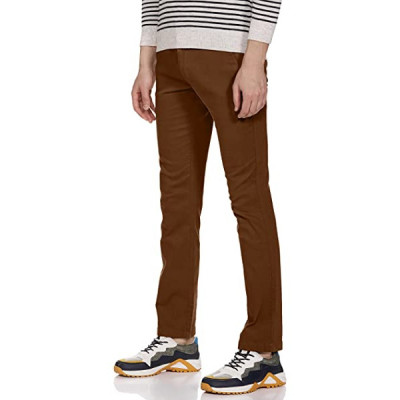
Men's Slim Casual Trouser
Rs.800.00
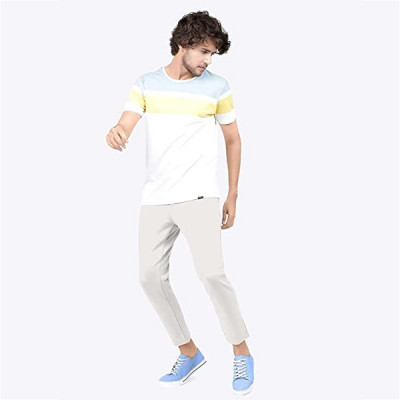
Men's Slim Fit Formal Trousers/Pant
Rs.543.00
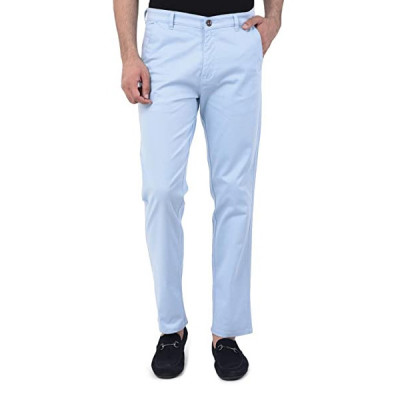
Men's Regular Fit Pants
Rs.544.00
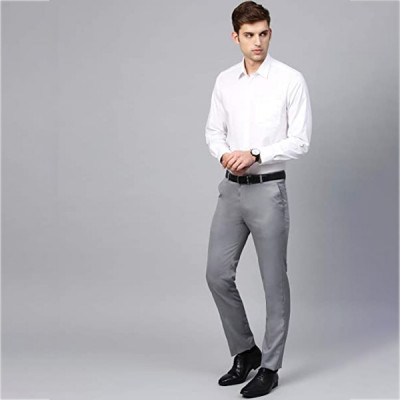
Men's Slim Fit Formal Trousers
Rs.707.00
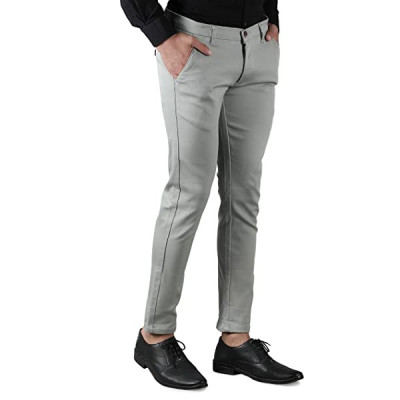
Textured Stretchable Trousers for Men
Rs.899.00
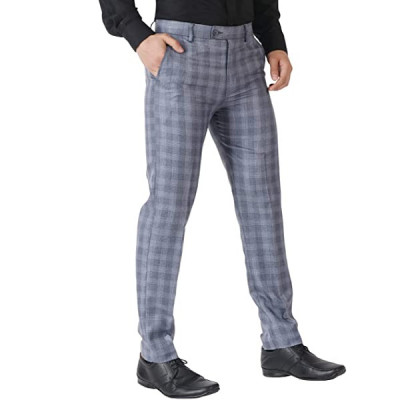
Men's Slim Fit Checkered Trouser
Rs.499.00
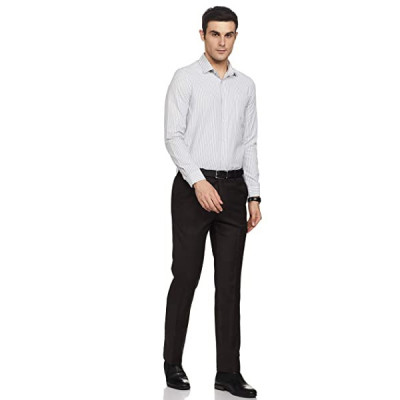
Men's Regular Pants
Rs.2,344.00