
 English




 Women
Women
 Bottom Wear
 Western Wear
 Maternity Wear
 Women's Inners
 Men's
Men's
 Men Traditional Wear
 Men Western Wear
 Men Inners

Smart Dressing
Dress Smart: How to Make Your Outfits Last Three Times Longer

Most people treat dresses like disposable items. They buy, wear, wash, and repeat until the fabric fades, seams loosen, or the fit collapses. The reality? With proper care, both men’s and women’s dresses can last three times longer, saving money and keeping your wardrobe sharp.
Start with understanding the fabric. Cotton, linen, silk, polyester—they all behave differently. Natural fibers like cotton and linen breathe well but can shrink or wrinkle easily. Synthetic blends resist wrinkles but may fade faster under heat. Always check care labels before washing. Ignoring them is the fastest way to ruin a dress, no matter the price.
Next, wash smart. Avoid hot water unless the dress specifically allows it. Cold water reduces color fading and fabric stress. For delicate fabrics like silk or lace, use hand-wash or gentle cycles. Turn dresses inside out before washing to protect colors, prints, and embellishments. Men’s shirts and women’s structured dresses both benefit from this small step—it dramatically reduces wear on visible surfaces.
Limit washing frequency. Many dresses don’t need a wash after every wear. For lightly worn items, spot cleaning or airing out can prevent unnecessary fabric breakdown. Overwashing is one of the most common reasons dresses lose shape, especially cotton blends and linen.
Dry carefully. Avoid tumble dryers whenever possible. Heat shrinks fabrics and breaks down elasticity. Hang dresses to air dry in the shade to prevent fading. For heavier fabrics, lay flat to retain shape. Men’s shirts benefit from careful hanging on structured hangers, which maintain shoulders, while women’s dresses maintain lines when supported properly.
Store strategically. Fold knit dresses to prevent stretching. Hang structured dresses or suits on sturdy hangers. Keep colors and fabrics separated to avoid friction damage or color transfer. Using garment bags for delicate pieces protects them from dust, pests, and accidental pulls. Storage is as important as washing—it determines how your dresses hold their form over time.
Invest in minor repairs. A loose button, small seam fray, or minor snag can turn into major damage if ignored. Fixing issues immediately prevents them from worsening. Men’s dress shirts and blazers and women’s blouses or midi dresses all benefit from small, timely maintenance. It’s cheaper and faster than replacing the whole piece.
Rotate dresses intelligently. Wearing the same dress repeatedly stresses the fabric. Rotate between multiple pieces to reduce strain. Men should alternate formal shirts and trousers, while women can rotate daily and casual dresses. This extends the life of each item.
Finally, avoid exposure to harsh chemicals. Bleach, strong detergents, and perfumes directly on fabrics weaken fibers. Opt for mild detergents and avoid spraying fragrances directly onto delicate areas.
The key takeaway: longevity isn’t luck—it’s deliberate care. By understanding fabrics, washing intelligently, storing properly, and rotating outfits, both men’s and women’s dresses can last significantly longer. A well-maintained dress doesn’t just look better—it saves money, reduces waste, and keeps your wardrobe consistently reliable.
Care smart. Your dresses will reward you.
Trending Now
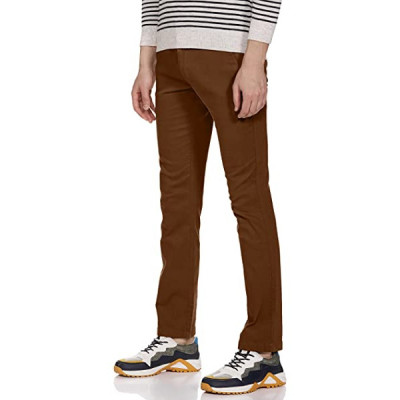
Men's Slim Casual Trouser
Rs.800.00

Men's Slim Fit Formal Trousers/Pant
Rs.543.00
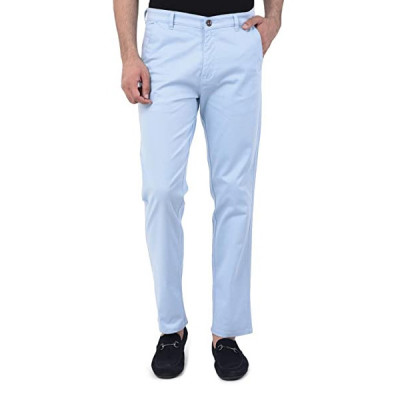
Men's Regular Fit Pants
Rs.544.00
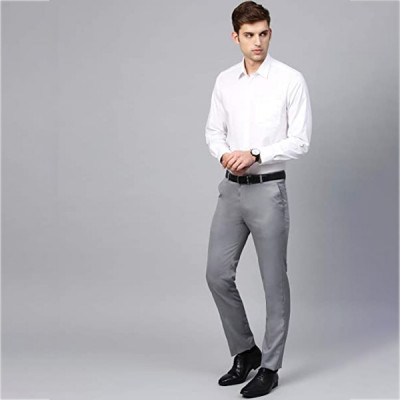
Men's Slim Fit Formal Trousers
Rs.707.00
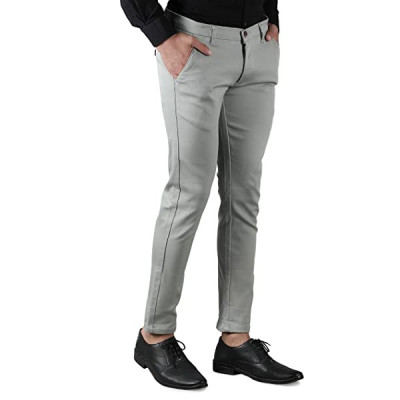
Textured Stretchable Trousers for Men
Rs.899.00
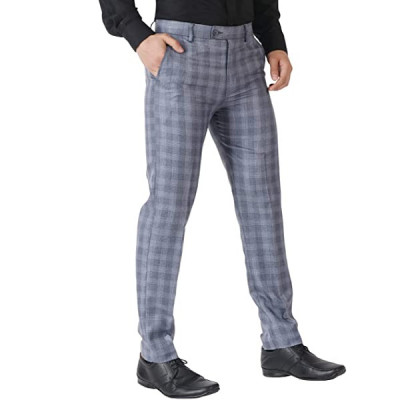
Men's Slim Fit Checkered Trouser
Rs.499.00
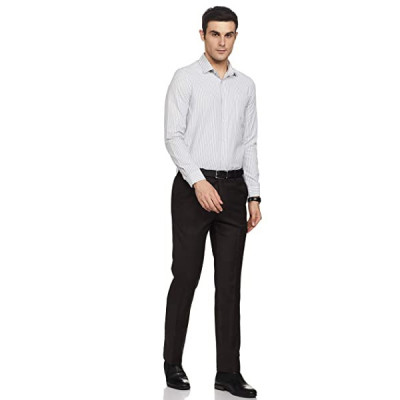
Men's Regular Pants
Rs.2,344.00